
As Africa marked Africa Month with renewed emphasis on cultural pride and creative achievement, industry stakeholders are sounding the alarm over a growing threat to one of the continent’s fastest-rising economic sectors: digital piracy.
Across the continent, the creative economy has become a key driver of employment, innovation and cultural expression. From film and television to music and digital storytelling, African creators are not only entertaining local audiences but also exporting African narratives, languages and traditions to global markets.
According to UNESCO, Africa’s film and audiovisual industry employs an estimated five million people and contributes roughly US$5 billion to the continent’s gross domestic product. The sector, the agency notes, holds the potential to generate more than 20 million jobs and up to US$20 billion in revenue if structural challenges—particularly piracy—are effectively addressed.
However, that potential continues to be undermined by the widespread distribution of illegal content online.
Recent figures from anti-piracy firm Irdeto indicate that more than 40,000 illegal streaming links were taken down across Africa in 2025 alone. Despite these enforcement efforts, piracy networks still recorded an estimated 17.4 million visits, underscoring the scale and persistence of demand for unauthorized content.
Industry players warn that the impact of piracy extends far beyond lost subscriptions and ticket sales.
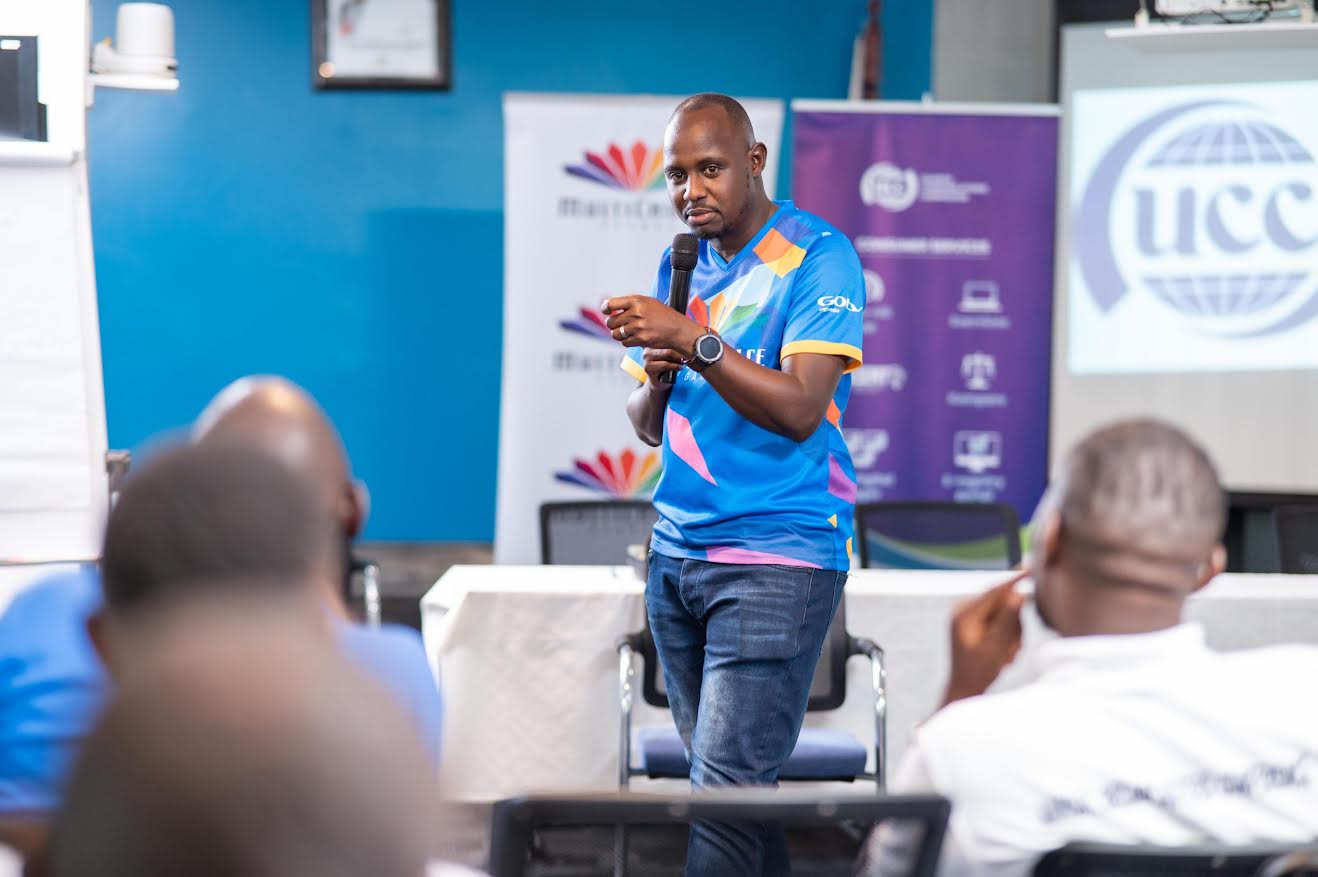
“Many consumers downplay piracy, thinking it is harmless, while exposing themselves to serious risks,” said Rinaldi Jamugisa, PR and Communications Manager at MultiChoice Uganda.
He added that piracy not only erodes business revenues but also limits opportunities for creators and weakens investor confidence in Africa’s creative industries.
The effects are particularly pronounced in major production hubs such as Nigeria, where Nollywood—one of the world’s most prolific film industries—produces an estimated 2,500 films annually, according to UNESCO. Despite its scale, the industry continues to suffer significant losses from copyright infringement, with estimates suggesting annual losses of up to US$2 billion.
Beyond film, stakeholders say musicians, broadcasters and digital content creators across East Africa continue to grapple with unauthorized distribution of content, weak royalty collection systems and the rapid spread of illegal online platforms.
Analysts note that piracy disrupts the financial ecosystem that sustains content production. High production costs depend on predictable returns from legitimate distribution channels. When content is consumed through illegal platforms, revenues shrink, limiting reinvestment in new projects.
The consequences also extend to cultural preservation. African films, music and television productions often serve as archives of language, identity and lived experience. Industry observers warn that weakened revenue streams could reduce the volume of locally produced content, ultimately affecting cultural diversity and representation.
As African creative content gains global reach through streaming platforms, it is increasingly being recognized as a form of soft power and cultural export. However, stakeholders argue that piracy threatens this momentum by discouraging investment in original productions.
Economists further caution that the ripple effects are felt across national economies, including reduced tax revenues, fewer formal jobs and weakened growth in creative sub-sectors that governments have identified as key to future development.
While many African countries have strengthened intellectual property laws and increased enforcement actions against illegal streaming networks, challenges persist. Many piracy operations operate across borders, relying on offshore servers and evolving technologies that make detection and prosecution difficult.
In response, industry stakeholders say enforcement alone is not enough. They are calling for greater public awareness campaigns to shift consumer behaviour and reduce demand for pirated content.
Organisations such as Partners Against Piracy have intensified education initiatives aimed at highlighting the economic and cultural consequences of piracy, framing it not only as a legal issue but also as a development concern.
As Africa’s creative economy continues to expand and digitise, stakeholders stress that protecting intellectual property will be critical to unlocking its full potential.
“With local content increasingly reaching audiences beyond the continent, supporting legitimate platforms and respecting copyright protections are essential steps toward ensuring African creators can continue telling their stories and contributing to economic growth,” Jamugisa said.
Ultimately, experts warn that piracy is no longer just a legal enforcement issue, but a continental challenge affecting economic growth, cultural preservation and the long-term sustainability of Africa’s creative industries.
